NOW OFFERING ELECTRICAL SERVICES
Learn more about the services we provide.
Signs Your North Carolina Home May Have Electrical Wiring Problems
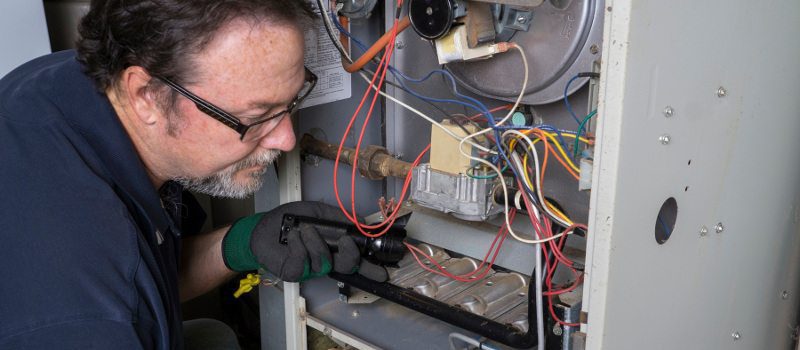
Electrical wiring problems often show up as flickering lights, tripping breakers, hot outlets, burning smells, or buzzing from switches and panels. These warning signs mean electricity is not flowing safely and can point to hidden fire or shock hazards that need prompt attention from a licensed electrician.
Webb Heating, Air Conditioning & Electrical helps homeowners in Greensboro, Winston-Salem, Advance, and the surrounding Piedmont Triad find electrical issues, repair unsafe wiring, and keep homes up to code with safe, reliable service. If something feels “off” with your lights, outlets, or panel, Webb can inspect the system, explain what is happening, and recommend clear repair or upgrade options.
Common Signs of Electrical Wiring Problems in North Carolina & Why They Happen
Electrical issues like flickering lights or warm outlets often signal loose connections, overloaded circuits, or aging wiring behind the walls. In many older Triad homes, wiring and panels were never designed for today’s TVs, chargers, and HVAC equipment, so these small symptoms are often early warnings that the system is overloaded.
Common signs of electrical wiring problems include:
- Lights that flicker or dim when other devices start, which can indicate loose connections or overloaded circuits.
- Breakers that trip often on the same circuit, suggesting the wiring or panel can’t safely handle the electrical load.
- Outlets or switches that feel hot, buzz, or look scorched, showing that parts are overheating and insulation may be breaking down.
- Burning or “fishy” smells, or visible sparks near outlets, fixtures, or the panel, which are clear warning signs of active overheating or arcing.
If you notice more than one of these on the same circuit, it is time to schedule an electrical inspection instead of waiting for a full outage or damage
3 Wiring Issues You Should Never Ignore
Some electrical symptoms are urgent because they signal active overheating or arcing that can quickly start a fire. The goal is to spot these serious signs and shut things down safely before damage spreads.
1. Persistent Burning Smell or Smoke
Ongoing burning smells, melting plastic odors, or any visible smoke from outlets, switches, fixtures, or your breaker box mean components are overheating or already damaged. Insulation can be breaking down and arcs can ignite nearby materials.
Shut off power to the affected circuit or the whole home at the main breaker, avoid using the area, and call an electrician right away.
2. Visible Sparks or Arcing
Sparks when plugging in or switching devices, or flashes at outlets or the panel, show that electricity is jumping across gaps instead of staying in the conductors. This arcing generates intense heat and can ignite dust, wood, or insulation in seconds.
Any sparking device or connection should be taken out of use immediately and checked by a licensed electrician before restoring power.
3. Hot Outlets, Switches or Panels
Outlets, switches, or panel covers that feel hot to the touch usually mean loose connections, damaged parts, or circuits that are carrying more current than they should. That overheating can break down insulation and quickly raise the risk of an electrical fire.
If an outlet, switch, or your breaker panel feels hot or is buzzing, stop using that circuit, turn the breaker off if you can safely reach it, and have an electrician inspect it as soon as possible.
How North Carolina Homeowners Can Stay Safe with Older Wiring
Many Piedmont Triad homes still have wiring and panels installed decades ago, which may not match today’s safety standards or power needs. Heat, humidity, and past renovations can speed up wear on these systems, so simple habits and regular checks help keep them safer.
A few quick routines can make older wiring much safer to live with day to day. Helpful habits include:
- Checking outlets and switches for discoloration, cracks, or movement when you plug something in, which can point to wear or loose connections.
- Feeling for warmth on outlets, switches, and power strips after using appliances or electronics; warmth or buzzing can mean overheating.
- Replacing damaged cords and avoiding running cords under rugs or furniture, where heat can build up and damage insulation.
- Unplugging devices that buzz, spark, or behave unpredictably and having them or the outlet checked before using them again.
- Using power strips with surge protection, not chaining strips or extension cords, and spreading high‑demand devices across different outlets and rooms so no single circuit is overloaded.
If you notice heat, odor, or visible damage on any outlet, switch, or cord, stop using it and have that part of the system inspected before you plug back in.
When to Call a Professional for Electrical Wiring Problems
Some wiring problems are not safe DIY projects because they involve hidden components, strict electrical codes, and real fire or shock risk. Knowing when to stop troubleshooting and call a licensed electrician helps protect your home and your family.
Call a professional if you notice:
- Breakers that keep tripping on the same circuit, even after you unplug some devices.
- Any burning smell, smoke, or scorch marks at outlets, switches, or the panel.
- Sparks, buzzing, or crackling from outlets, light fixtures, or behind walls.
- Shocks, tingling, or warmth when you touch metal appliances or switch plates.
If any of these show up, shut off the affected circuit if you can safely, avoid using those outlets or devices, and schedule an inspection as soon as possible.
A licensed electrician can track the problem back to the real cause, whether it is a loose connection, a failing breaker, or a circuit that no longer meets code, and spot related issues like outdated wiring types, missing grounding, or undersized panels in older homes.
Good diagnosis leads to lasting repairs instead of repeated quick fixes, which reduces risk and can save money over time.
Why North Carolina Homeowners Choose Webb for Wiring Repairs
When electrical issues show up, you need a team that understands current codes and the quirks of older Greensboro‑area homes. Webb Heating, Air Conditioning & Electrical offers licensed, experienced electricians alongside HVAC services, so you can handle wiring, panels, and comfort systems with one trusted provider.
Webb’s electrical team can:
- Diagnose wiring problems behind flickering lights, tripping breakers, and overheated outlets.
- Repair or replace unsafe outlets, switches, circuits, and panels to meet current standards.
- Upgrade older wiring and add circuits for modern appliances, EV chargers, and home offices.
- Coordinate with HVAC services so heating and cooling equipment has safe, reliable power.
Homeowners in Greensboro, Advance, Winston-Salem, and surrounding Piedmont Triad communities turn to Webb for straightforward recommendations, clear pricing discussions, and dependable scheduling.
Schedule an Electrical Wiring Inspection Today
Contact Webb Heating, Air Conditioning & Electrical today to schedule an electrical wiring inspection or repair visit and get expert help keeping your Piedmont Triad home safe and comfortable. If you want long‑term peace of mind, ask about home service agreement options and how Webb can support your electrical and HVAC systems year‑round.