NOW OFFERING ELECTRICAL SERVICES
Learn more about the services we provide.
How North Carolina Homes Can Save Electricity
North Carolina summers bring high heat and even higher humidity, and that combination can make your electric meter spin.
Saving electricity isn’t just about turning off lights; it’s also about how well your HVAC system runs, how tight your home is, and how smartly you use the power you’re already paying for.
Webb Heating & Air Conditioning has been helping Triad families stay comfortable and efficient since 1978, and the tips below reflect what actually works in local homes.
Focus on the HVAC: Your Home’s Biggest Power User
In most North Carolina homes, heating and cooling account for close to half of total energy use, especially during long summer cooling seasons. That makes your HVAC system the best place to start if you want to save electricity at home.
A few HVAC-focused steps can make a big impact:
- Use a programmable or smart thermostat: Set schedules so your system doesn’t work full‑tilt when you’re asleep or away, then cools back down before you get home.
- Aim for reasonable setpoints: In summer, keeping the thermostat a few degrees higher when you’re home and bumping it up when you’re away can noticeably reduce run time.
- Stay current on maintenance: When coils are dirty, blower motors are struggling, or airflow is restricted, your system needs more electricity to do the same job.
A yearly precision tune-up from Webb includes cleaning coils, checking the blower, verifying refrigerant levels, and making sure ductwork and controls are working efficiently, so you’re not paying extra every month for hidden issues.
Taming the Humidity (The “Hidden” Energy Drain)
Moist air feels warmer than dry air at the same temperature, which is why a 75‑degree day in the Triad can feel very different from a dry 75‑degree day elsewhere. When indoor humidity is high, many homeowners drop the thermostat lower just to feel comfortable, driving up electricity use.
To reduce humidity‑driven waste:
- Make sure your system is properly sized and healthy: An oversized or poorly performing unit may cool quickly but remove less moisture, leaving your home cool but clammy.
- Consider whole‑home dehumidification: If your home still feels sticky even when the AC runs, a dedicated dehumidifier can let you stay comfortable at a slightly higher temperature setting, cutting AC run time.
- Use ceiling fans wisely: Fans cool people, not rooms—use them to feel cooler at a higher thermostat setting, but turn them off when you leave so you’re not wasting electricity.
When humidity is under control, you can often raise the thermostat a bit without sacrificing comfort.
Weatherization: Keeping the “Triad Air” Outside
Even the most efficient HVAC system will waste electricity if your home is leaking conditioned air to the outside.
Air leaks around windows, doors, and utility penetrations let your paid‑for air slip out and hot, humid air sneak in, so sealing gaps with weatherstripping and caulk can noticeably improve comfort and reduce how often your system has to run.
Attic insulation also plays a big role in how much electricity your HVAC system uses. In many older Greensboro and Winston-Salem homes, insulation has settled over time or never met current recommended R‑values, which means more heat sneaks in through the roof in summer and escapes in winter.
Adding insulation helps your system work less to maintain the same temperature, and Webb can help you decide whether insulation or air‑sealing upgrades are a smart next step after HVAC improvements.
Smart Upgrades for Immediate Savings
Not every energy‑saving move requires a major project. Some smaller electrical upgrades can start saving electricity at home right away.
High‑impact upgrades include:
- Switch to LED lighting: LEDs use far less electricity than traditional incandescent bulbs and give off much less heat, so your AC doesn’t have to work as hard to offset extra warmth from old‑style bulbs.
- Use smart power strips: These help eliminate “vampire power” from TVs, game consoles, streaming boxes, and office gear that draw electricity even in standby mode.
- Choose Energy Star® certified appliances: Newer, efficient refrigerators, dishwashers, and laundry equipment often use substantially less electricity than older models.
In many Piedmont Triad homes, a mix of LEDs, smart power strips, and efficient appliances can trim everyday electrical waste without any noticeable change in comfort.
Small Changes, Big Results
You don’t have to overhaul your entire home to see real changes in your electric bill. A few consistent habits can add up over a year.
A practical starting action plan includes:
- Install and use a programmable or smart thermostat: Match your settings to your schedule so you’re not cooling an empty house.
- Keep up with air filter changes: Clean filters help your system move air efficiently and prevent unnecessary strain.
- Schedule an annual HVAC inspection and maintenance visit: Regular professional care keeps coils, motors, and controls in good shape and helps catch small problems early.
Layered together, these habits help you save money on electricity while keeping your family comfortable through North Carolina’s temperature swings.
Frequently Asked Questions
What is the best thermostat setting for a North Carolina summer?
Most energy guides suggest aiming for around 78 degrees when you’re home and awake in the summer, then setting it higher when you’re asleep or away. In the Piedmont Triad’s humidity, using ceiling fans and managing moisture often lets you feel comfortable at slightly higher setpoints.
Does cleaning my AC coils really save electricity?
Yes. Dirty evaporator or condenser coils make it harder for your system to move heat in and out of your home, which increases run times and power use. Having your coils inspected and cleaned as part of regular AC maintenance helps your system operate closer to its original efficiency, which can translate into noticeable savings over a long cooling season.
Should I leave my AC fan on “Auto” or “On”?
In most cases, “Auto” is the more efficient choice because the fan only runs when the system is actively cooling or heating. Leaving the fan set to “On” can improve air mixing but also uses more electricity and may pull humid air across the coil when it’s not cold, raising indoor humidity.
If you’re not sure what’s best for your home, a Webb technician can help you choose settings that balance comfort and efficiency.
Ready for More Electrical Savings?
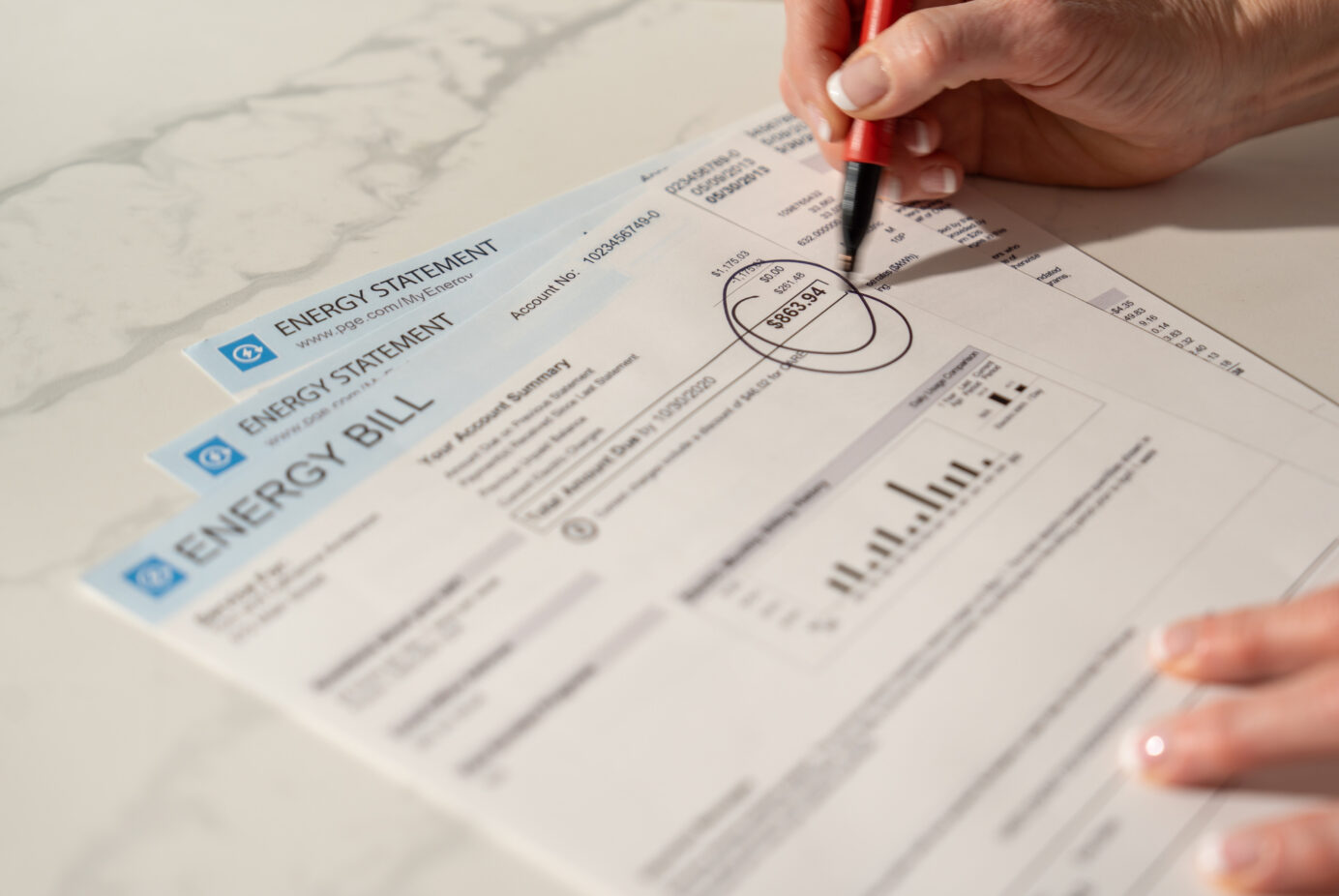
If you’re ready to see real savings on your next power bill, it may be time to go have a professional look at how your home uses electricity. From HVAC performance and humidity control to weatherization and targeted electrical upgrades, Webb can help you find the changes that will make the biggest difference in a North Carolina home.
Call (336) 439-6150 or contact us online to schedule an appointment. While you’re there, take a moment to explore our service areas, reviews, and financing so you can move forward with confidence.