NOW OFFERING ELECTRICAL SERVICES
Learn more about the services we provide.
Common HVAC Electrical Problems in North Carolina
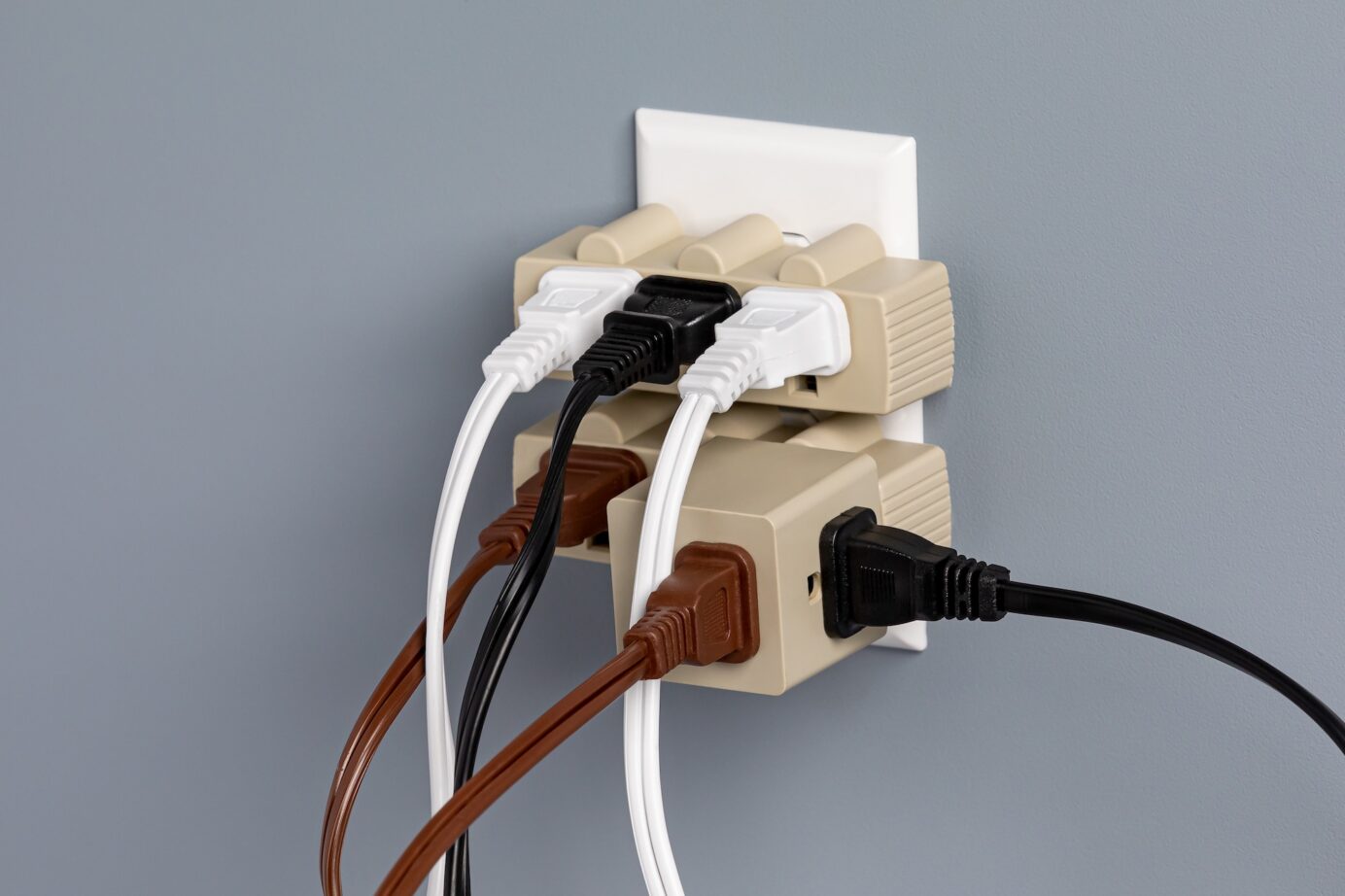
Your HVAC system runs on electricity, and the thermostat, compressor, blower motor, and control boards all need reliable power to keep your home comfortable. So when electrical problems develop in your HVAC system, you not only could face serious safety risks, but also may lose your heating and cooling altogether.
Knowing the warning signs helps you catch problems early and understand when to call for help. If your system won’t turn on, your breakers keep tripping, or you notice burning smells, electrical issues need immediate attention.
Why HVAC Electrical Problems Are So Common
HVAC systems work harder than most household appliances, which creates unique electrical challenges.
- Frequent cycling wearing down components: Your system turns on and off dozens of times per day. This constant starting and stopping puts stress on contactors, capacitors, and wire connections.
- Parts aging and failing: Capacitors typically last 10-15 years. Contactors wear out from repeated use. Wiring insulation breaks down from heat exposure. Nothing lasts forever.
- Power surges damaging electronics: Lightning, utility grid problems, or even your neighbor’s AC starting up can send voltage spikes through the lines. Modern HVAC systems have circuit boards and electronic controls that don’t handle these surges well.
- Poor installation: Undersized wiring, loose connections, or wrong voltage settings might work at first. But they lead to overheating, arcing, and failures down the road.
North Carolina’s long cooling season means your AC runs more than systems in many other states. More runtime equals faster wear on electrical parts, making regular maintenance critical.
Common HVAC Electrical Problems for North Carolinians
Here are the electrical issues Piedmont Triad homeowners see most often:
- Tripped circuit breakers: When your system draws too much power—usually from a failing compressor, short circuit, or dirty coils—the breaker trips to prevent damage or fire.
- Failed capacitors: These parts store energy to start motors and keep them running. When they fail, your system struggles to start, runs intermittently, or won’t turn on at all.
- Worn contactor: These switches control power to your compressor and fans. Burned or pitted contacts cause unreliable operation and unexpected shutdowns.
- Thermostat problems: Bad wiring, dead batteries, or internal failures prevent your thermostat from talking to your HVAC system.
- Loose or corroded wiring: Moisture, heat, and vibration loosen connections or cause corrosion. This leads to intermittent operation, arcing, or complete failure.
- Blown fuses or damaged circuit boards: Power surges or component failures can take out fuses and control boards, disabling your entire system.
Each problem needs different tools and expertise to fix properly.
Signs Your HVAC System Has an Electrical Problem
Recognizing electrical issues early can prevent dangerous situations and expensive damage. Watch for these warning signs:
- System won’t turn on even when the thermostat is set correctly
- Breakers trip repeatedly when the HVAC runs
- Burning smell from vents, the outdoor unit, or electrical panels
- Buzzing, humming, or clicking sounds from equipment
- System starts then immediately shuts down over and over
- Some parts work while others don’t
- Sparking or arcing near connections (get help immediately)
- Hot electrical panels or discolored outlets
Any of these symptoms means there’s an electrical problem that needs professional diagnosis. Electrical issues don’t fix themselves. Instead, they often get worse over time.
Are HVAC Electrical Problems Dangerous?
Yes. Electrical issues create real safety risks.
- Fire hazards: Loose connections build up heat. That heat can ignite materials in walls or ductwork. Damaged wiring can arc and start fires.
- Equipment damage: A bad capacitor can destroy your compressor motor. Voltage problems can fry circuit boards. Short circuits can take out multiple parts at once, turning a small repair into a full replacement.
- Shock hazards: Frayed wires, exposed connections, or water near electrical parts are all dangerous, and can risk electrocution.
- Carbon monoxide: If the ignition or safety controls fail, you can get incomplete combustion that produces this deadly gas.
This is why HVAC electrical work isn’t a DIY project.
What You Can Safely Check On Your Own
You can do a few basic checks before calling for service, but know your limits, and ask for professional help whenever you need it:
- Breaker panel: If the HVAC breaker tripped, reset it once. If it trips again right away,
- Thermostat Settings: Make sure it’s on the right mode (heat or cool), set to the right temperature, and has fresh batteries if needed.
- Other Obvious Problems: Verify the disconnect switch near your outdoor unit is “on” and nothing blocks airflow.
Note what you see and hear. Write down unusual sounds, smells, or anything odd to tell your technician.
Never open electrical panels, touch exposed wires, or try to repair capacitors, contactors, or other electrical parts. These store high voltage that can kill you even when the power is off.
When to Call a Professional HVAC Technician
Call immediately if you notice:
- Safety issues: Burning smells, smoke, sparking, or any sign of fire or electrical danger.
- Repeated breaker trips: If resetting doesn’t fix it or the breaker trips again, there’s a fault that needs diagnosis.
- Complete system failure: When your HVAC won’t turn on after basic troubleshooting.
- Intermittent operation: Systems that work unpredictably usually have loose connections, failing parts, or control board problems.
After power surges or lightning: Even if the system seems fine, there could be hidden damage.
Licensed technicians have the training to work safely around high voltage, the diagnostic tools to find problems, and the parts to fix them right.
How Electrical Issues Affect HVAC Efficiency and Lifespan
Electrical problems do more than cause breakdowns; they waste energy and shorten equipment life.
For example, a failing capacitor makes motors work harder, using more electricity while delivering less heating or cooling. Loose connections create resistance that generates heat and wastes power. Your system runs longer to reach the same temperature, wearing out faster while costing more to operate.
Bad voltage also stresses motors and compressors. Equipment designed to last 15-20 years might fail in 10-12 years when electrical issues go unfixed.
Frequent cycling from electrical problems (in other words, starting and stopping more than normal) puts huge strain on compressors. Each startup draws several times the normal current. Too many cycles means faster failure.
Catching these kinds of electrical issues during maintenance keeps repairs simple and cheap. Ignoring them leads to major failures that cost thousands.
Why Homeowners Choose Webb Heating, Air Conditioning & Electrical
For 47 years, Webb has provided expert HVAC and electrical services to Greensboro, Advance, and the Piedmont Triad. As a family-owned company, we explain problems clearly and only recommend necessary repairs.
Our expertise in both HVAC and electrical systems means we can diagnose complex issues that stump single-trade technicians. Whether the problem is in your air conditioning, your heating system, or the electrical connections between them, we know how to fix it.
We also offer financing for unexpected repairs, and our maintenance plans catch electrical issues before they cause breakdowns.
Get Your HVAC System Running Safely Again
HVAC electrical problems need professional attention for safe, reliable operation. Whether your system won’t start, your breakers keep tripping, or you’ve noticed any warning signs, we’re ready to help.
We’ll diagnose the problem accurately and fix it right the first time, by finding the root cause, not just treating symptoms.
Contact us today to schedule electrical diagnostics and repair. We’ll restore heating and cooling to your Greensboro or Advance home and ensure your system operates safely.