NOW OFFERING ELECTRICAL SERVICES
Learn more about the services we provide.
Why Is My Air Conditioner Leaking Water? Top Reasons for North Carolina Homes
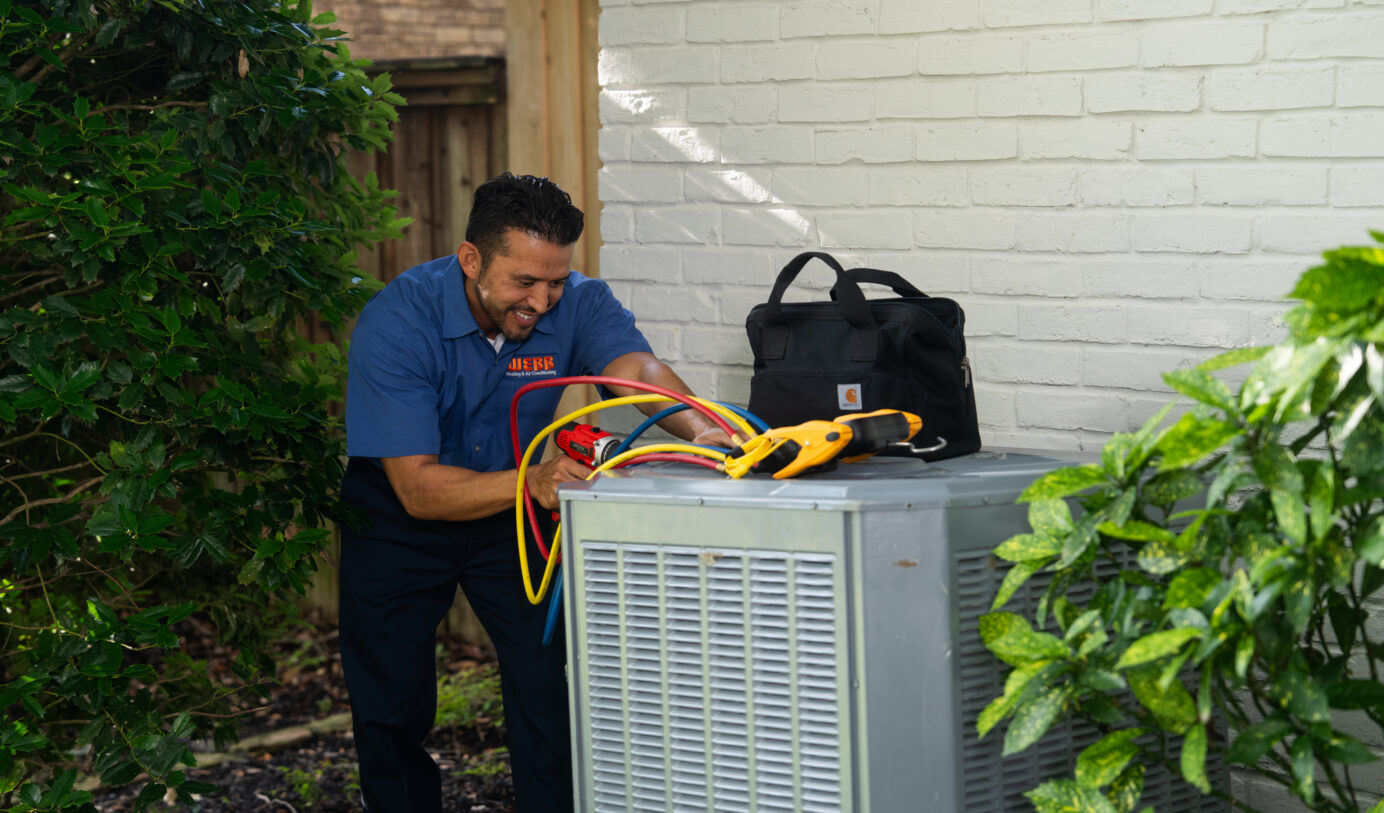
Your air conditioner’s job is to pull heat and humidity out of the air, not just cool it down. And here in North Carolina, it’s humid. That means your system is moving a lot of water every time it runs, and when something goes wrong in that process, it can show up as your air conditioner leaking water inside the house.
The good news: some moisture around the outside drain line is normal, but standing water indoors or dripping from the ceiling is a sign that the condensation process has been interrupted and needs attention.
Below are the most common causes of an AC leaking water, what to look for, and when to call for help.
Common Culprit #1: The Clogged Condensate Drain Line
Your AC constantly pulls moisture out of the air. It sends it to a shallow drain pan, then into a small PVC drain line that carries the water safely outside. Over time, that line can become clogged, especially in the Triad, where algae, mold, and fine North Carolina dust can mix into a “sludge” that coats the pipe.
When that condensate drain line is clogged, water has nowhere to go. It backs up into the drain pan until it overflows or triggers a safety switch that shuts your system down.
You may be dealing with a clogged condensate drain if you notice:
- Water pooling around the base of your indoor air handler or furnace.
- A full drain pan when you look at the unit (sometimes visible through an access panel).
- A float switch tripping and turning the system off even though the thermostat is calling for cooling.
- A musty or mildew smell near the unit from stagnant water.
Some homeowners can safely access the drain outlet outside and gently clear visible debris, but deeper clogs often require a wet/dry vacuum, compressed gas, or specialized cleaning solutions.
If you’re seeing repeated pooling water or shutdowns, it’s time to let Webb clear the line, flush the system, and treat the buildup so the problem doesn’t come right back.
Common Culprit #2: A Frozen Evaporator Coil
In cooling mode, your indoor evaporator coil gets cold and moisture from the air condenses on it, then drains away. If something causes the coil to drop below freezing, that moisture turns into ice, building up into a solid block instead of dripping into the pan. When you finally turn the system off or the ice starts melting, the sudden rush of water can overwhelm the drain pan and spill into your home.
Two big causes of a frozen evaporator coil are restricted airflow and low refrigerant:
- Restricted airflow: A dirty filter, blocked supply or return vents, or a matted indoor coil can choke off air and let the coil get too cold.
- Low refrigerant: A leak in the system can drop refrigerant levels, changing pressures and causing the coil temperature to fall below freezing.
Here in the Piedmont Triad, heavy spring pollen can clog an air filter in just a few weeks, especially if your system runs long cycles to keep humidity under control. That makes frozen coils a common local issue when filter changes are delayed.
Signs your coil may be frozen include:
- Weak or no airflow from vents, even though the outdoor unit is running.
- Visible ice on refrigerant lines or inside the air handler if you open a panel.
- A sudden leak after you turn the system off and the ice starts to melt.
If you suspect a frozen coil, turn the system off to prevent further damage and let it thaw. Replace a dirty filter if needed, but avoid trying to chip off ice or work with refrigerant lines yourself. A Webb technician can check for airflow issues, clean components, and test refrigerant levels to find the real cause and provide the air conditioning services you need.
Common Culprit #3: Damaged or Rusted Drain Pan
Your indoor drain pan sits directly beneath the evaporator coil and is designed to collect normal condensate before it drains away.
In older systems with metal pans, years of exposure to water can lead to rust, pinholes, and eventual failure. In newer units with plastic pans, physical stress or installation issues can cause cracks or warping over time.
When the drain pan itself can’t hold water, even a perfectly clean drain line won’t prevent leaks. Water will seep or pour out through the damaged areas and show up as:
Persistent water below the air handler or furnace even after the drain line is cleared.
New stains on ceilings or walls directly under the indoor unit.
Signs of corrosion or visible cracks if you can see the pan.
Unfortunately, a damaged drain pan usually isn’t a DIY fix. The pan is often integrated into the air handler, and replacing it means accessing tight spaces and ensuring a watertight seal.
Webb’s technicians can evaluate whether a pan replacement is practical on your system or whether it’s time to consider broader air conditioning repair or replacement options.
Common Culprit #4: Condensate Pump Failure
Not every home can use gravity to drain AC condensate. If your air handler is in a basement or lower level, your system may rely on a small condensate pump to move water up and out.
When that pump fails, the water has nowhere to go but onto the floor.
Common condensate pump issues include:
- Loss of power to the pump or a tripped GFCI outlet.
- A stuck float switch that doesn’t tell the pump to run.
- A failed pump motor or internal clog in the pump reservoir.
You might notice the small pump reservoir next to your furnace or air handler filling with water and not emptying, or you may simply see water pooling around the unit with the pump silent. Turning off the system and checking the outlet or breaker is a safe first step, but beyond that, pump repair or replacement is a job for a professional.
Webb can test the pump, clear any blockages, and replace it if necessary, as well as confirm that the drain lines attached to the pump are clear and correctly routed as part of comprehensive air conditioning repair.
DIY Fixes vs. When to Call Webb
When you see your air conditioner leaking water inside the house, the first question is simple: what can you safely try yourself, and when should you stop and call Webb. A few basic checks are quick, low-risk, and sometimes enough to clear up minor issues.
Smart DIY steps include:
- Checking the air filter: If it’s dirty or packed with dust and pollen, replace it and see if airflow improves.
- Looking for obvious ice: If you can safely peek at the indoor unit or refrigerant lines and see ice, turn the system off and let it thaw.
- Confirming thermostat settings: Make sure the system is set to “cool” and the temperature is set low enough for the AC to run.
- Looking at the outside drain outlet: If the line is clearly blocked at the exit, gently clear leaves or debris.
If the leak continues, the system keeps shutting off, or you notice stains, damage, or a full drain pan, it’s time to stop troubleshooting and bring in a professional for air conditioning repair. Deeper issues like clogged P‑traps, frozen coils from low refrigerant, rusted drain pans, or failed condensate pumps require tools and training to fix correctly.
Schedule Air Conditioning Repair With Webb
An AC leaking water inside is a clear sign something in your cooling system needs attention, not a quirk to ignore. Fixing the issue early helps you avoid drywall repairs, mold growth, and breakdowns during our hot, humid Piedmont Triad summers.
When you schedule air conditioning repair or maintenance with Webb, a technician will inspect your system, pinpoint why it’s leaking, and explain your options before any work begins.
If you’re seeing your air conditioner leaking water inside the house, contact us online or call (336) 439-6150 to schedule an appointment—and take a moment to explore our service areas, reviews, and financing options so you can move forward with confidence.